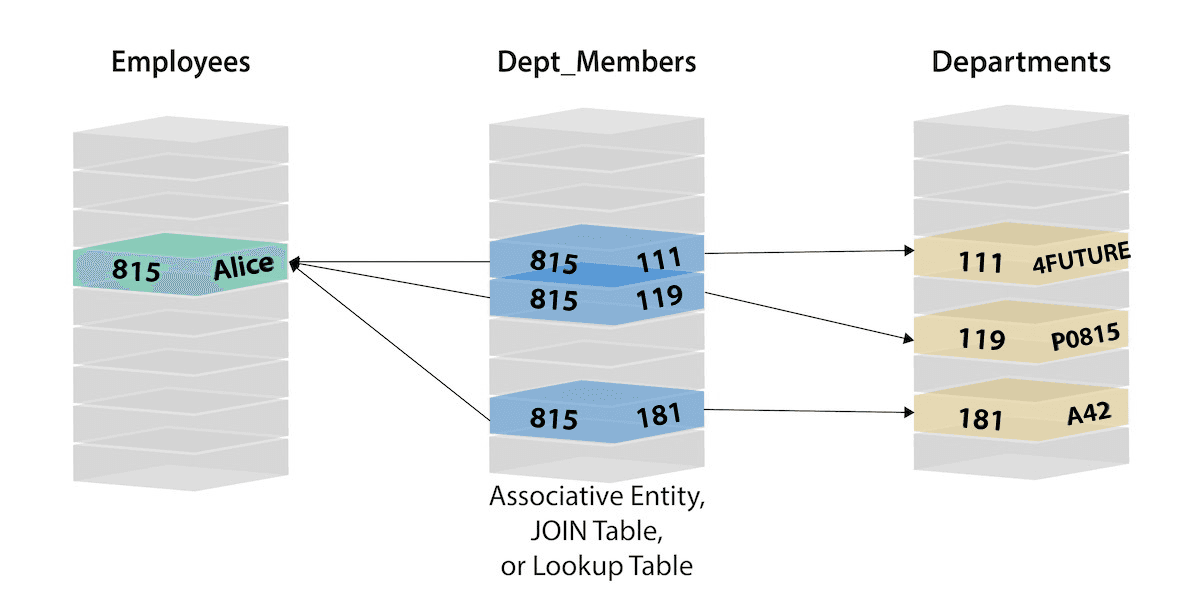
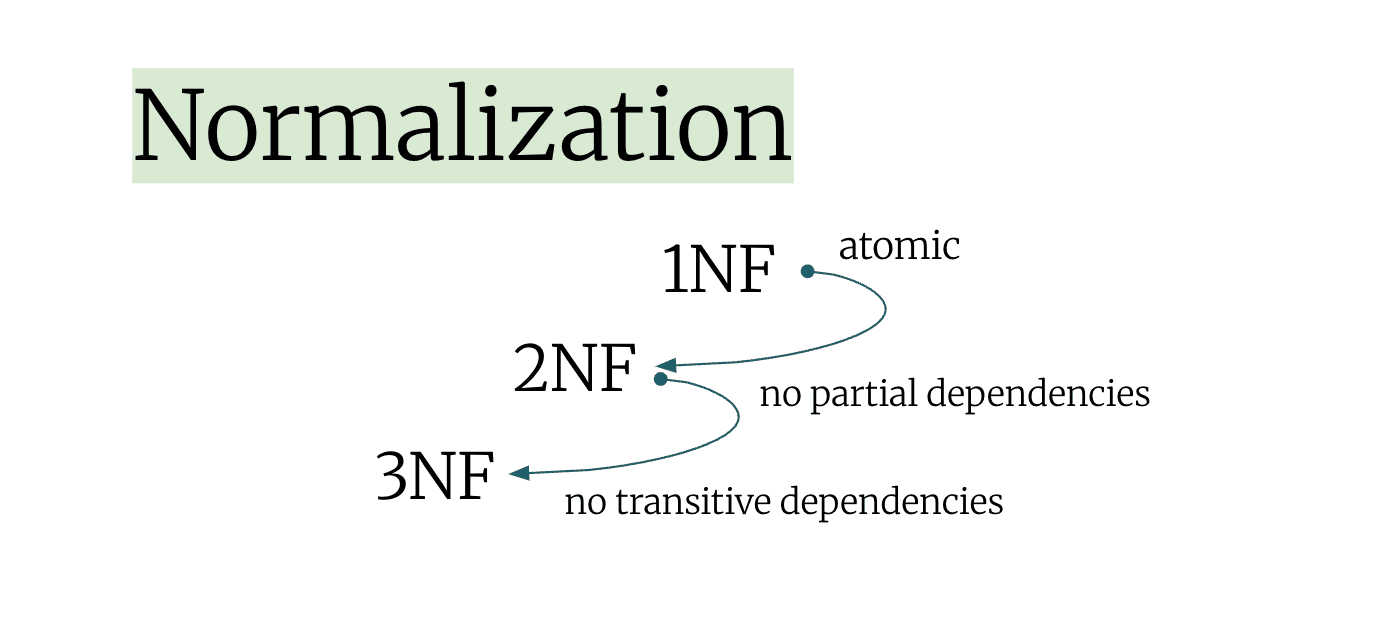
This article covers Entity-Relationship (E-R) Modeling, which visually depicts the relationships between identifiable entities in a database. It discusses key concepts such as entities and their attributes, relationships and cardinality, and the importance of normalization (1NF, 2NF, 3NF) to optimize data structure and reduce redundancy for improved data integrity and efficiency.
All Posts
- Read more →

- Read more →
This article provides an overview of Relational Database Management Systems (RDBMS), covering key features such as data representation through tables, transaction principles (Atomicity, Consistency, Isolation, Durability), and concepts like primary and foreign keys. It highlights the importance of data integrity, security, normalization, and referential integrity in maintaining valid relationships between tables for effective data management.

- Read more →
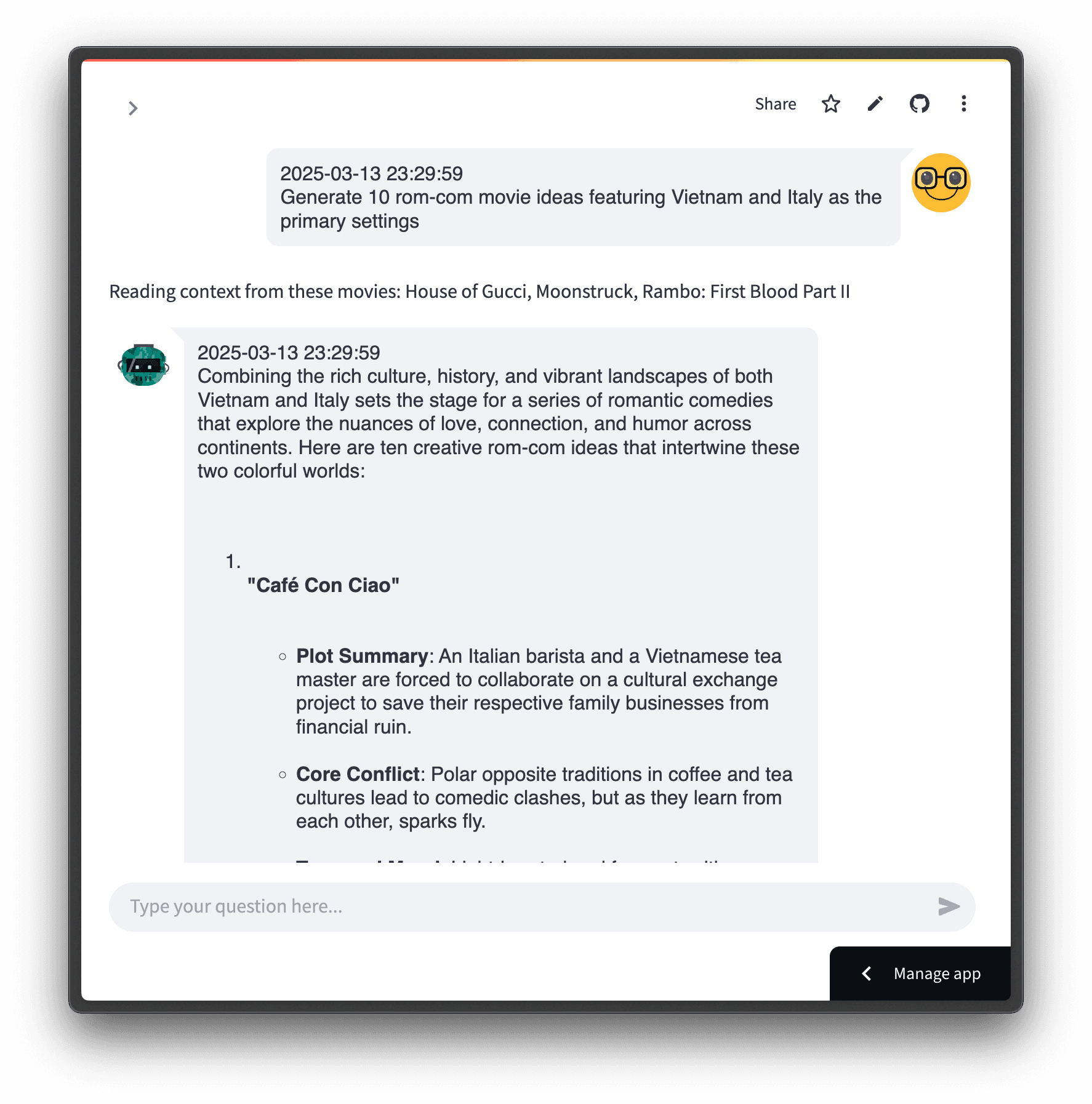
The article delves into Retrieval-Augmented Generation (RAG), which integrates retrieval and generative models to enhance GenAI applications efficiently. It highlights the architecture of RAG, utilizing vector databases for data retrieval and response generation.

- Read more →
This article explores the evolution from Transformers to Large Language Models (LLMs), detailing the mechanisms of self-attention and multi-head attention, the role of position embeddings, various types of transformer models, and the training and fine-tuning processes of LLMs.

- Read more →
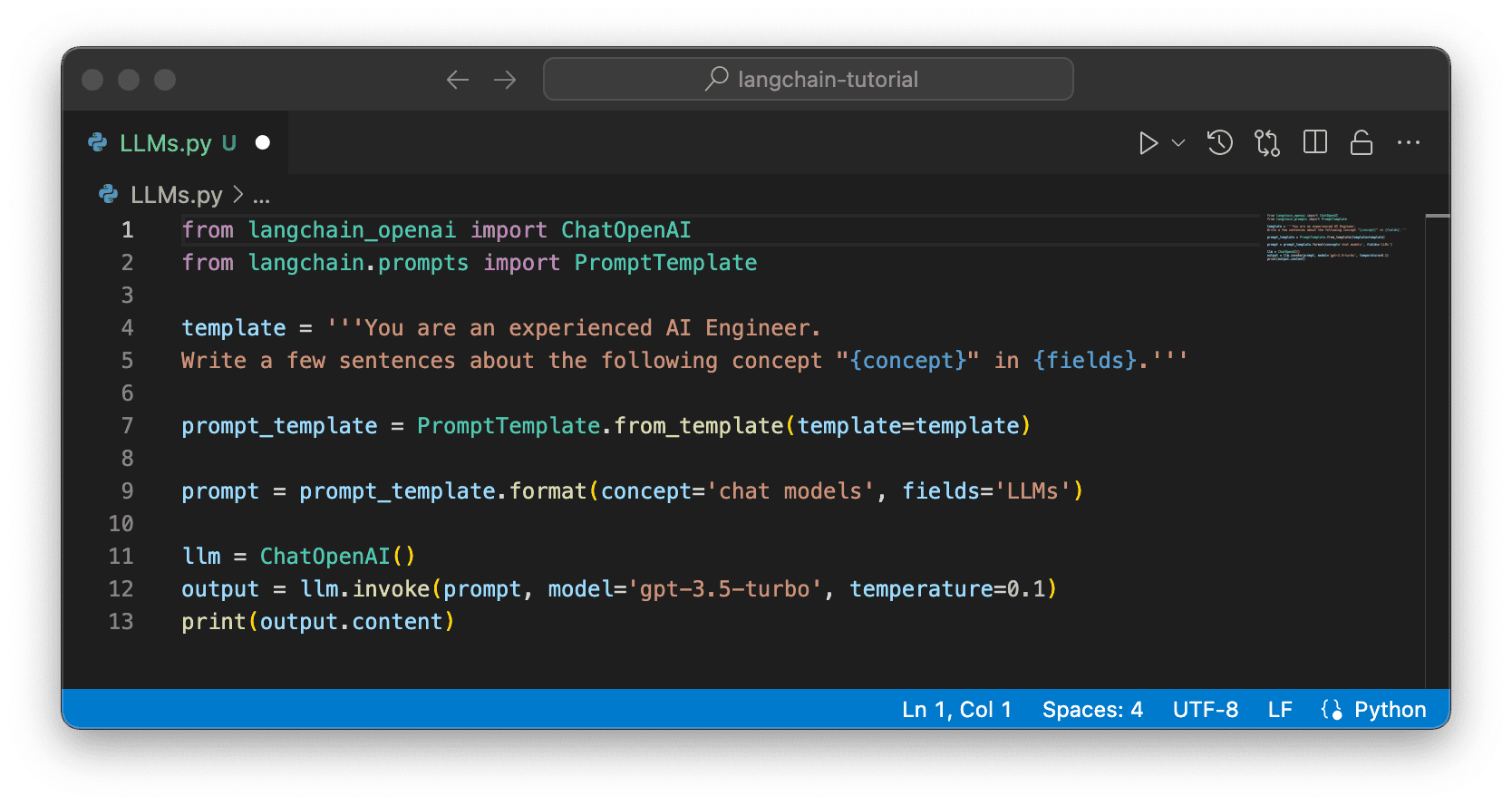
This article provides an overview of the core concepts of Large Language Models (LLMs) in LangChain, including LLM components, prompt templates, indexing, memory, chains, and agents.